

Can I Foster if I Have Pets?
Thinking about becoming a foster carer — but wondering whether your beloved pets might be a barrier? The short answer is: yes, you can foster if you have pets. Many fostering households include dogs, cats, rabbits, birds, or other little companions. With the right checks, preparation, and matching, pets and fostering can coexist harmoniously.
Pets & Fostering: The Short Answer
Having a pet does not automatically disqualify you from fostering. In fact, many fostering agencies actively consider homes with pets — as long as safety, compatibility, and the welfare of both the child and the animal are carefully managed.
Some foster agencies include a pet assessment as part of their home approval process, looking at factors such as temperament, health, and the pet’s ability to live with children.

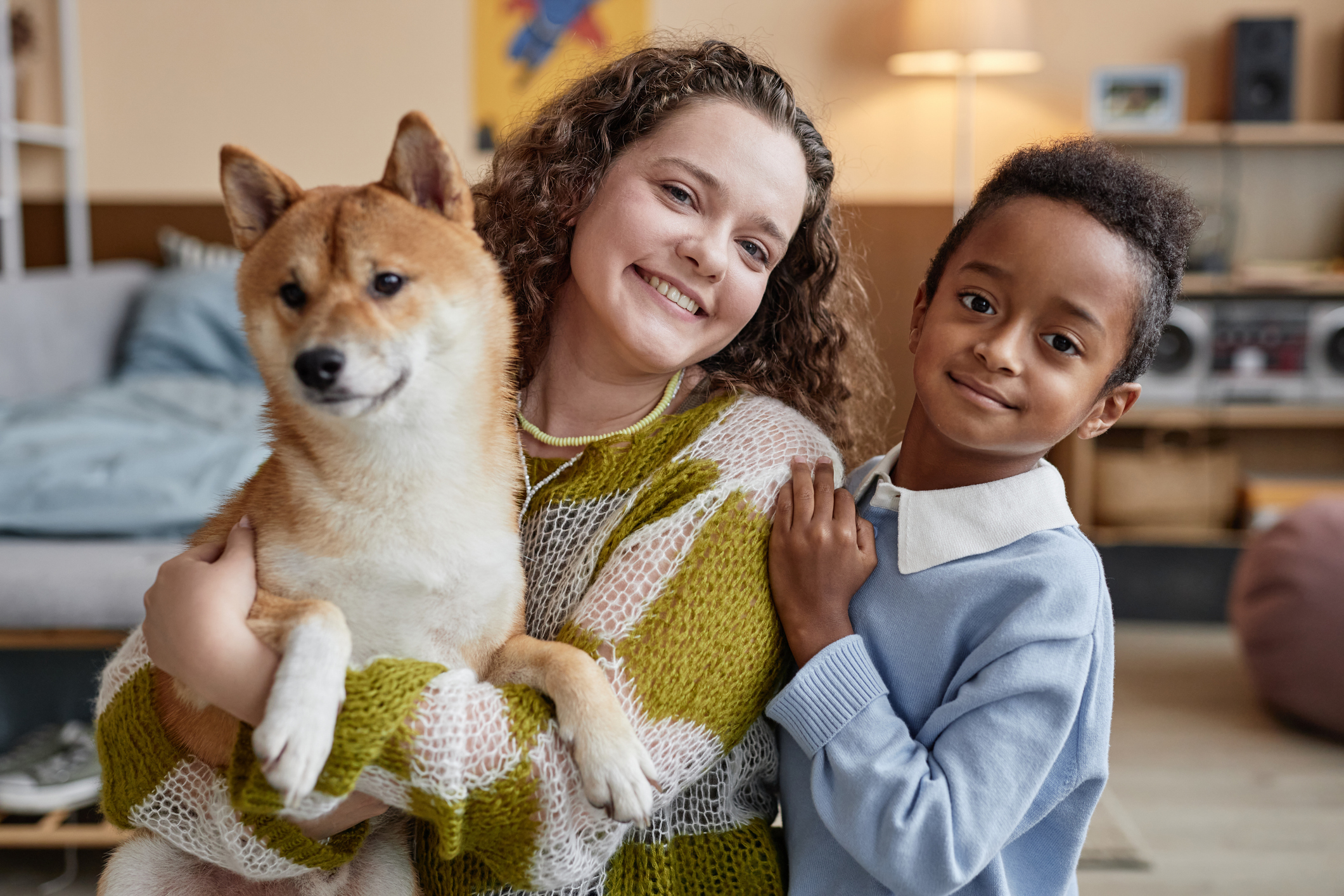
Benefits of Having Pets in a Foster Home
Pets can bring unique advantages to foster households:
- Emotional support & companionship
For children who’ve experienced loss or instability, a pet’s calm presence can provide comfort, reduce anxiety, and help with settling in. - Sense of routine & responsibility
Caring for animals can teach structure, empathy, and responsibility — things that benefit foster children. - Bridging relationships
Pets can act as a “social ice-breaker” or common point of connection between foster children and their new environment. - Mutual benefit
Animals may enjoy extra attention and enrichment when children are around. In some cases, pets and children benefit from each other’s company.
One foster carer’s experience: Nicky, who fosters with a dog and cats, says her pets help children open up, calm down, and feel more at ease.
What Fostering Agencies Look For When You Have Pets
To ensure the safety and well-being of both children and pets, agencies will assess several key factors:
1. Pet Safety & Temperament
- Pets should have stable, non-aggressive temperaments and be comfortable around children.
- Agencies may require a behaviourist or professional assessment for dogs.
2. Health, Vaccinations & Hygiene
- Up-to-date vaccinations, flea/worming treatments, and regular vet checks.
- Clean living conditions and good hygiene routines are a must.
3. Training & Behaviour
- Well-behaved pets (trained, calm, responsive) are ideal.
- Pets that have behavioural issues may require additional assessment or behavior training before approval.
4. Type or Species of Pet
- More common domesticated animals (dogs, cats, rabbits, guinea pigs, fish, birds) are more likely to be accepted.
- Exotic pets may be examined more closely or considered on a case-by-case basis.
5. Living Arrangements & Space
- Pets should have their own safe spaces (beds, cages, retreats).
- House layout matters: the pet’s areas should not conflict with children’s sleeping / living areas.
- Pets should not be allowed in a foster child’s bedroom unless explicitly approved.
Matching Children & Pets: What Matters
During placement matching, agencies consider:
- Child’s experience with pets (some may have fears or allergies)
- Pet’s ability to adjust — introduction time, gradual familiarity
- Supervision needs — younger children may need closer monitoring
- Household dynamics — siblings, other pets, and shared spaces
- Allergies or health concerns of the child
If a child is allergic or fearful of certain animals, the pet environment must be assessed for safety and comfort.
1. Prepare your pet before placement
Allow extra socialisation, assess behaviour, and gradually acclimatise them to change.
2. Your independence
What adaptations, equipment, or support you use.
3. Your support network
Family, friends, or professionals who can offer help when needed.
4. Your emotional resilience
Your ability to stay calm, patient, and consistent.
5. The type of fostering best suited to you
For example, you may prefer older children, siblings, respite care, or long-term placements.
The goal is not to catch you out — it’s to ensure we match you with the right child and support you fully.
Practical Tips for Fostering When You Have Pets
Here are some actionable tips to make fostering with pets work smoothly:
- Prepare your pet before placement: Allow extra socialisation, assess behaviour, and gradually acclimatise them to change.
- Introduce child & pet carefully: Use calm, supervised introductions. Let them meet in neutral, controlled settings.
- Set clear routines & boundaries: Establish feeding times, walking routes, pet-free zones, and rules.
- Provide safe retreats for your pets: Make sure your pet can escape or have quiet space if they feel overwhelmed.
- Teach safe interaction: Educate foster children about pet behaviour: no tail-pulling, respect during feeding, not disturbing sleeping animals.
- Monitor & adjust: Watch interactions and intervene early if problems appear. Use behaviour support if needed.
Thinking About Fostering? Let’s Talk.
We’re here to answer your questions — openly and without judgment.
Call us today on 01702 65 57 38 or email us at admin@fw-fostering.co.uk and our friendly team will be in touch. Alternatively fill in the form below and we’ll contact you.
Find us on social: